• Twitter
  • LinkedIn
  • Facebook
Call us at 888.619.2226
Glass Paint
  • Home
  • About
  • BUY ONLINE
  • INFO
    • PRODUCTS / DATA / VIDEOS
    • HGTV
    • FAQs
    • Make Your Own Colors
    • LIMITED WARRANTY
  • Gallery
  • Contact Us
  • Blog
  • Search
  • Menu Menu
  • 0Shopping Cart

Tag Archive for: glass paint

Battle of the backsplashes: Glass v. stone
November 16, 2016/in Blog, Glass Paint/by eileen
Battle of the backsplashes: Glass v. stone

Battle of the backsplashes: Glass v. stone

Decorators are always on the prowl for new materials. Glass and stone have emerged as popular materials for certain applications. Many homeowners are finding new ways to incorporate glass and stone into their homes. These two heavyweights have staked out their territories in the kitchen and bath. It raises the question of which material is better for home decorating?

Glass has its advantages

Glass is the ultimate team player. It lends a high-end look to just about any room, and it oozes practicality. It’s easy to clean, comes in a variety of thicknesses, and can be tempered to add strength. Glass is so versatile that it can be used on the walls, floors, countertops, cabinet fronts, doors and just about any other space.

Glass is valued for its transparency, but that doesn’t mean you can’t spruce it up with a little color. Glassprimer™ glass paint is formulated especially for use on glass surfaces. The paint bonds permanently to the glass surface, and won’t chip, peel or fade, even in direct sunlight. You can cover glass surfaces for about $1 per square foot.

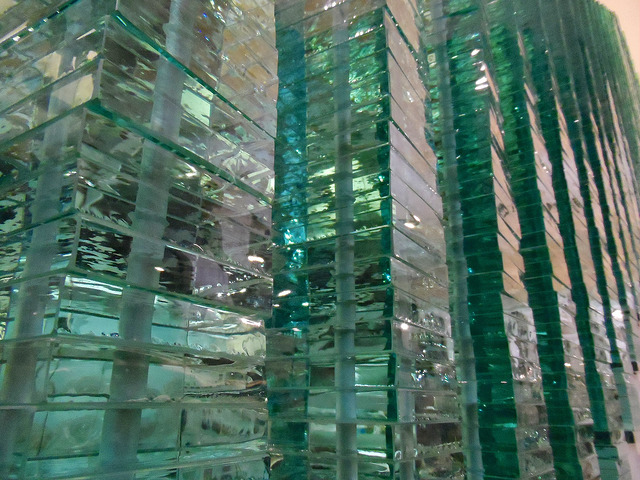
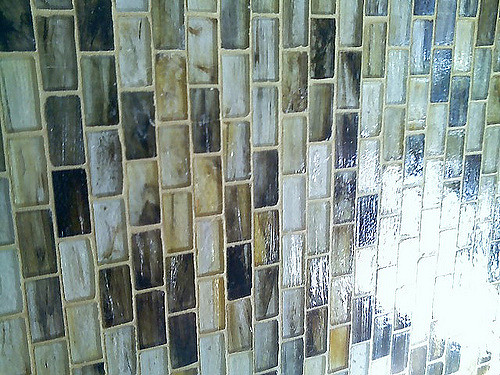
You can apply glass in custom-cut sheets, tiles or even in cement/epoxy composites and get the benefit of glass. While custom tile glass backsplashes can be expensive, you can create a cost-effective backsplash by backpainting glass and attaching it to walls with silicone adhesive in kitchens and bathrooms.

Natural stone backsplashes and other surfaces can also be cost-effective, but natural stones are porous. They may be vulnerable to damage from some household cleaners. To maintain sanitation, the stone surfaces will need to be sealed periodically – perhaps as frequently as once per year. Since glass is impervious, no sealing is needed, and glass can tolerate prolonged contact with virtually all household cleaners and sanitizers.

Natural stone surfaces can (and do) degrade over time. Their natural colors may change due to exposure to cleaning chemicals, and they can detach or become dislodged from the mortar. In addition, natural stones can break following an impact. A broken stone will need to be replaced, and that can be a complicated repair!

If you’d like more information about using glass in your kitchen or bathroom, please visit the rest of our site. If you’d like to purchase Glassprimer™ glass paint, please visit our online store .

Photo Credit: jason mcarthur, via Flickr.com
Colorado School gets glass strength grant

November 14, 2016/in Blog, Glass Paint/by eileen

Colorado School gets glass strength grant

Colorado School gets glass strength grant

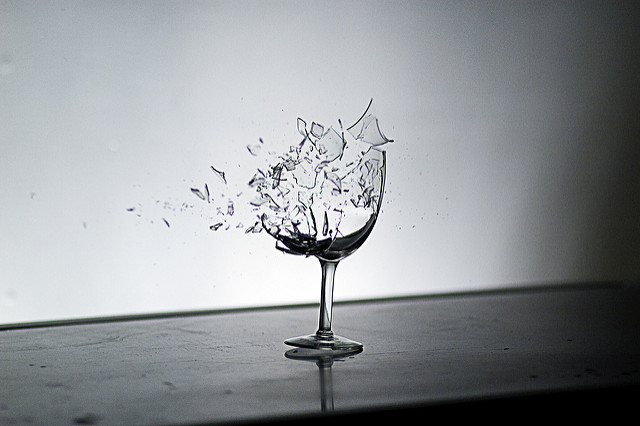
Glass is both spectacular and fascinating, but the things that make it amazing also challenge our ability to use it. It’s easy to think of glass as a solid material. You can touch it without changing it. It has a hard surface. It has most of the characteristics of a solid. Except that one thing that makes it truly solid – a crystalline molecular structure.

We don’t usually look at glass at the molecular level, but if we did, we’d see glass molecules arranged in a random pattern instead of the typical, neatly ordered structure that gives solids their strength. That molecular randomness makes glass weaker than other materials, and it makes it tough to classify glass as a solid, even though it seems… well … solid.

The Usable Glass Strength Coalition has given an $80,000 grant to the Colorado School of Mines to study glass in order to improve the industry’s understanding of the strength of glass. The CSM proposal was chosen because it advances strength research that was already performed by researchers at Pennsylvania State University. The CSM researchers hope to answer questions about why glass surfaces can lose strength as they interact with their environment.

The researchers will examine flaws in glass and glass components that set or contribute to inherent weaknesses in finished glass. Understanding the mechanisms that make glass weak may help scientists develop new manufacturing methods or discover new materials that can enhance the strength of glass.

Improving the strength of glass can contribute to advances in many different fields, including science and research, manufacturing, construction, clean energy and telecommunications, among others. Today, glass is typically strengthened by heat-treatment or by coating the glass surface to make it more resistant to contact injuries.

Heat-treated glass is significantly stronger than untreated glass, but it may also suffer from manufacturing defects that are hard to detect and can result in catastrophic failures. New coatings can also strengthen and protect a glass surface, but they can be expensive to create and may not protect against common accidents. Being able to strengthen glass at the molecular level may reduce the need to treat glass after manufacturing, and may produce better, more reliable results.

Glassprimer™ glass paint is a specialized glass coating that bonds permanently to glass surfaces. GlassPrimer also makes a glass surface molecular activator that is designed to work with UV-inkjet glass printing processes. For more information about Glassprimer™ glass paint, please visit the rest of our site. If you’d like to purchase Glassprimer™ glass paint, please visit our online store

Photo Credit: Steven Duong, via Flickr.com

Glass Plate Negatives Discovered in Peoria

November 11, 2016/in Blog, Glass Paint/by eileen
Glass Plate Negatives Discovered in Peoria

Glass Plate Negatives Discovered in Peoria

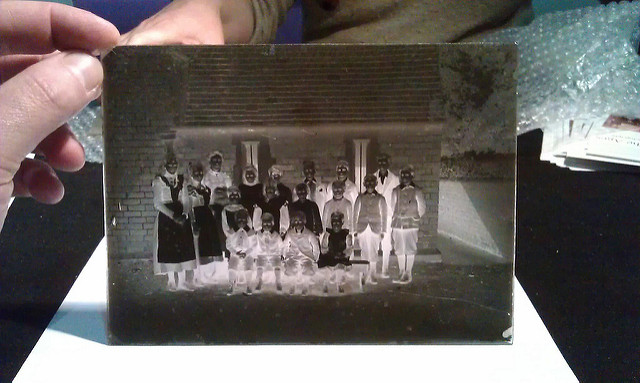
Photography has changed quite a bit since its invention. While most images created today are stored digitally, early photographs were developed on glass plates. Glass is an incredibly durable material, but only a small number of glass plate negatives survive.

That’s part of what makes a discovery in Peoria so interesting. Workers from a salvage company that was removing architectural materials from an abandoned home in that city discovered a trove of glass plate negatives. The home was scheduled for demolition, and was in poor condition. The roof had failed on the home, leaving it filled with water and mold.

Among the abandoned property was a collection of more than 200 glass negatives that had somehow escaped the rain. The negatives were made between the late 1800’s and the 1930’s, in and around Peoria. Some of the negatives featured the home being demolished. Others included portraits, street scenes, vacation photographs and early Peoria landmarks.

Glass plate negatives are exceptionally fragile, and must be stored carefully to preserve the negative and to avoid damaging the emulsion. The Peoria negatives were removed from the home, and were purchased by a local collector. Some of the images were in poor condition and some of the glass plates were broken. The collector was able to restore the images and scanned them to preserve them.

Because of their fragility, it is unusual to find more than a few glass plate negatives at one time. Some libraries and newspapers maintain archival collections of glass plate negatives because newspapers commonly used glass plate photography into the mid-1930s.

A few specialty photographers still use glass plates because they provide significant tone and detail. The initial wet plate technique required the use of a substance called collodion, which was flammable. A wet-plate glass negative also had to be prepared immediately before the image was made, and required a five-minute exposure. The image also needed to be developed before the collodion dried. That limited the use of wet plate negatives to still images and portraits.

A refined, dry plate technique allowed photographers to prepare their negatives ahead of time, and process the negative when convenient. It also shortened the required exposure time.
Glassprimer™ glass surface molecular activator resolves many of the problems associated with printing on glass today. Glassprimer™ glass surface molecular activator prepares the glass surface in advance of UV-inkjet printing. The product allows UV inks to bond to glass, eliminating the need for heat curing, and enabling full-color, photorealistic printing on glass.

If you’d like more information about Glassprimer™ glass surface molecular activator, please visit the rest of our site. If you’d like to purchase Glassprimer™ glass surface molecular activator, or Glassprimer™ glass paint, please visit our online store .

Photo Credit: James Morley, via Flickr.com

Portland Glass Factory Improves Air Quality

November 10, 2016/in Blog, Glass Paint/by eileen
Portland Glass Factory Improves Air Quality

Portland Glass Factory Improves Air Quality

The Portland glass factory that has been at the center of an environmental debate has reduced its heavy metals emissions by 98% compared to this time last year. According to the Oregon Health Authority, the filtration system put in place by Bullseye Glass is working well, and they’ve removed two of the four monitoring systems they installed following the revelation that the glass factory was emitting high concentrations of toxic heavy metals.

Bullseye Glass has installed 12 filters and will install an additional six in the coming months. The filters capture emissions of heavy metals like lead, cadmium, chromium and arsenic, which had been released untreated into the air around the factory.

Oregon state environmental officials first became aware of the toxic emissions when they sampled mosses from trees growing near the factory. The discovery, which was repeated around other local glass factories, touched off a national debate about the safety of small glass factories.

Oregon’s findings also spurred the US Environmental Protection Agency to begin monitoring air quality around other glass furnaces nationwide. Small furnaces have been exempt from filtration requirements that are applied to larger producers. The discovery of high concentrations of toxic metals has resulted in much stricter filtration requirements.

The debate has also produced casualties. Uroboros Glass, another local Portland glass manufacturer, announced last month that it would permanently close its doors because it could not afford to install the required filtration systems.

Bullseye is also working to tweak its filtration system to capture selenium emissions, which tests have shown are still elevated around the factory. Selenium is necessary for good health and occurs naturally in the ground. It does not pose the same dangers that the factory’s other emissions, but regulators want to see selenium levels around the factory reduced. Selenium is safe in small amounts, but excess selenium intake can result in selenium toxicity, the symptoms of which can persist for months.

Glassprimer™ glass paint is a specialized glass coating that bonds permanently to glass surfaces. GlassPrimer also makes a glass surface molecular activator that is designed to work with UV-inkjet glass printing processes. For more information about Glassprimer™ glass paint, please visit the rest of our site. If you’d like to purchase Glassprimer™ glass paint, please visit our online store.

Photo Credit: America’s Power, via Flickr.com

Glass Adds Style to Home

November 9, 2016/in Blog, Glass Paint/by eileen

Glass Adds Style to Home

Glass Adds Style to Home

If you’re intent on adding a modern touch to your home, there’s no better material to work with than glass. It delivers a minimalist touch while retaining its oh-so-practical nature. Glass is insanely versatile, and it’s rarely impractical in the modern space.

Glass works so well precisely because it’s so minimal. There’s just something irresistible about being able to see through a space. Glass allows natural light to travel, so it’s definitely high on the list of materials for small spaces, and spaces that have limited access to natural lighting.

Glass comes in a variety of thicknesses, which means it can be used for more than just windows. Glass walls, staircases, floors and countertops can all find a place in the modern home.

If you want to go glass on a staircase, you’ll need to consult with architects, fabricators and contractors that have specific experience with creating glass staircases. While they seem light and airy, there’s a bevy of local code requirements for staircases (made from any material), and you’ll need to plan accordingly for railings and other required safety measures.

Glass countertops are all the rage, and can be made in a number of ways. Thick glass can be used as a counter surface. The advantage of going with straight glass is that you can light it and paint it to your liking. Glass can also be bound with epoxy or cement to make a composite countertop. Composites are strong and can add a delightful visual component to your counters.

You can also use glass as a backsplash or wall covering. Glass and glass tiles are extremely popular right now, and can give your kitchen or bathroom a unique appearance. When used as a wall covering, glass is relatively easy to work with, and can be decorated easily.

Glassprimer™ glass paint is a specialized glass coating that bonds permanently to glass surfaces. GlassPrimer also makes a glass surface molecular activator that is designed to work with UV-inkjet glass printing processes. For more information about Glassprimer™ glass paint, please visit the rest of our site. If you’d like to purchase Glassprimer™ glass paint, please visit our online store

Photo Credit: , via Flickr.com

Secret of metallic glasses revealed

November 7, 2016/in Blog, Glass Paint/by eileen
Secret of metallic glasses revealed

Secret of metallic glasses revealed

Researchers at the University of Bristol say they have confirmed a long-standing theory about how metallic glasses form. Metallic glasses are prized substances because they’re harder and stronger than regular glass. They’re also much rarer than some would like, partially because we don’t have a good understanding of how metallic glasses actually form.

Since the 1950’s, a popular theory (developed by a physicist at the University of Bristol) regarding the way metallic glass forms has held among scientists. That theory says that if the metallic components organize in a pentagram shape, they can stop the crystallization of the glass particles, which is the key to metallic glass formation.

Ordinary glass naturally has faults between grains, which permits microfractures and makes it inherently weak. Metallic glass has no naturally occurring faults between grains, which makes it inherently strong. While that sounds good, the theory been impossible to confirm because scientists haven’t been able to prove without a doubt that the prevention of crystallization yields metallic glass formation.

Now, researchers have been able to use a computer simulation to reveal the mechanism by which the 5-sided metallic formation inhibits crystal formation. By changing the energy demands made on microcrystals at the surface, the rate of crystallization is slowed, allowing the metallic components to form a strong, 5-sided structure that allows glass to take on the strength and hardness characteristics of metal.

The confirmation of the theory about how metallic glass forms opens up new opportunities to make new metallic glass mixtures with potentially novel characteristics. It also points to the versatility and the growing importance of glass in a variety of applications.

Glassprimer™ glass paint is a specialized glass coating that bonds permanently to glass surfaces. GlassPrimer also makes a glass surface molecular activator that is designed to work with UV-inkjet glass printing processes. For more information about Glassprimer™ glass paint, please visit the rest of our site. If you’d like to purchase Glassprimer™ glass paint, please visit our online store.

Photo Credit: Chris Dlugosz, via Flickr.com

Thin film eliminates condensation on glass

November 5, 2016/in Blog, Glass Paint/by eileen
Thin film eliminates condensation on glass

Thin film eliminates condensation on glass

Condensation – that thin film of water that collects on glass – causes more problems than one might think of. Condensation occurs when warmer, humid air comes in contact with a cold surface. Water in the air condenses and collects on the cold surface, causing the cold surface to “fog.” If the cold surface is a window, the window is obscured.

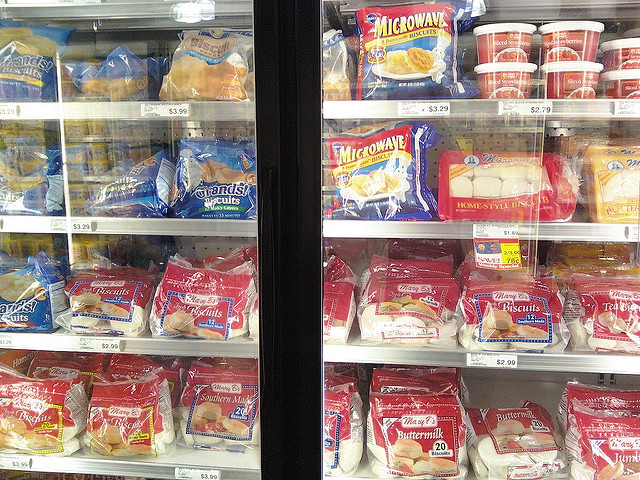
You can see condensation at work in the supermarket when you open the door of a refrigerated case. Warm air from outside the case rushes in and quickly fogs the glass, making it difficult to see inside the case once you close the door. Refrigerated cases have built in heaters that evaporate condensation off of the interior glass surface. Having a heater inside a refrigerator is a little counterintuitive. It’s also expensive.

By itself, refrigeration is expensive. Currently, the typical household refrigerator consumes more energy over the course of a year than any other electrical appliance. People spend more on refrigeration than they spend on heat! Commercial refrigerators are even more expensive, so adding heat to the refrigerator in order to combat condensation simply increases the cost of refrigeration.

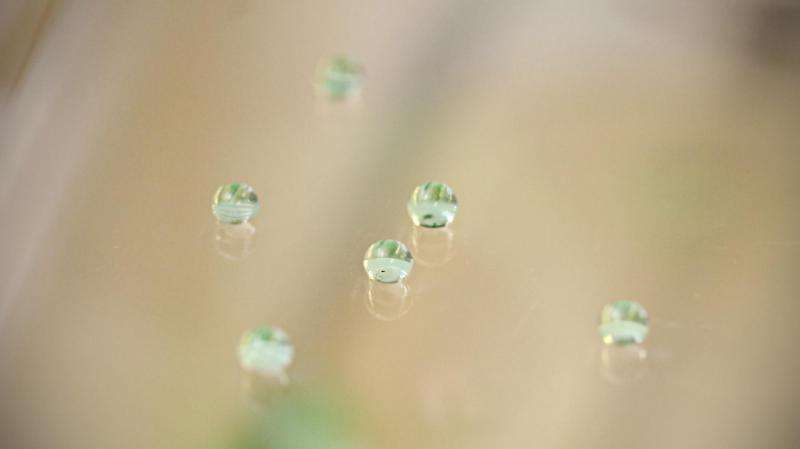
By eliminating condensation inside the refrigerator quickly and without added heat, retailers can reduce the cost of refrigeration. What’s the secret? A super-hydrophobic thin-film acetate coating applied to the interior glass surface repels water so it drains away immediately, without the need for heaters inside the refrigerator case.

According to the manufacturer, retailers could save about $85 per year per standard refrigerator case. At that level, the film could pay for itself through reduced energy consumption in less than 2.5 years.

Coatings can allow glass to do some pretty amazing things! For example, Glassprimer™ glass paint is a specially engineered glass coating that creates a permanent bond with glass surfaces. Glassprimer™ glass paint can be tinted to match any major paint manufacturer’s paint palette. That means you can easily incorporate painted glass into any decorating scheme. Whether your project is completely interior, completely exterior or a bit of both, Glassprimer™ glass paint offers exceptional durability, UV resistance and versatility.

If you’d like more information about Glassprimer™ glass paint, please visit the rest of our site. If you’d like to purchase Glassprimer™ glass paint, please visit our online store .

Photo Credit: Martin and Jessica O’Brien, via Flickr.com

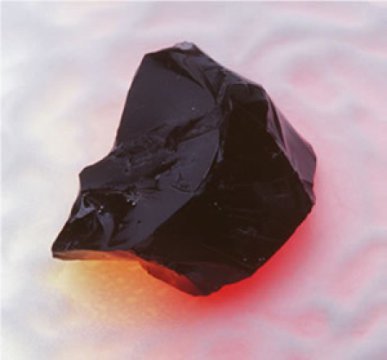
Glass could contain radioactive waste

November 4, 2016/in Blog, Glass Paint/by eileen

Glass could contain radioactive waste

Glass could contain radioactive waste

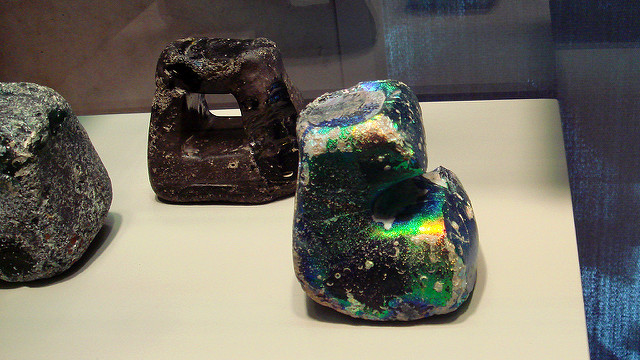
Researchers at Rutgers have determined that certain radioactive isotopes could safely be encased in glass for long-term storage. The scientists were working with iodine-129, which is particularly persistent. By encasing the iodine in ceramics and glass, they were able to isolate the dangerous element, store it at room temperature and store it indefinitely.

Without containment, iodine-129 disperses easily into the air and water. In humans, iodine-129 can easily damage sensitive organs and tissues, and is known to cause cancer. Iodine-129 has a half-life of nearly 16 million years, which means, practically speaking, that it will never achieve a human-safe state.

The US Department of Energy was one of the primary funding sources for the research. The DOE hopes to use the findings to address the broader issue of radioactive waste containment and disposal. Although the Rutgers research has concentrated on radioactive iodine, the method may be useful in encapsulating other forms of radioactive waste, including spent fuel rods from nuclear power plants. Currently, spent fuel rods are stored in place at nuclear power plants. Being able to dispose of the exhausted rods safely could make nuclear power more attractive.

Glass is an exceptionally versatile material, and because it is inert, it can perform in a wide number of applications. Glass can be used in containers, and as a surface for either countertops or walls.

Using specialized coatings like Glassprimer™ glass paint, glass can also be painted virtually any color. Backpainted glass can serve in virtually any environment. By applying paint directly to plain glass or tempered glass, you can liven up any room. It offers complete stain resistance, durability and cleans (and sanitizes) easily using ordinary household cleaners.

Best of all, Glassprimer™ glass paint is cost effective. You can achieve your desired coverage for about $1 per square foot.

If you’d like more information about Glassprimer™ glass paint, please visit the rest of our site. If you’d like to purchase Glassprimer™ glass paint, please visit our online store .

Photo Credit: Albert Kruger/U.S. Department of Energy

Samsung goes for super water repellent glass

November 3, 2016/in Blog, Glass Paint/by eileen
Samsung goes for super water repellent glass

Samsung goes for super water repellent glass

Samsung Electronics has licensed some new water-repelling technology developed at the Oak Ridge National Laboratory. The technology will help Samsung’s electronic devices repel surface water easily.

Scientists at the Department of Energy’s Oak Ridge National Laboratory (ORNL) spent about three years developing the specialized coating, which repels water, dirt, oil and dust. It also reduces glare and resists both smudges and fingerprints. The coating consists of a thin film layer of porous glass that manipulates the contact angle of liquids and small solids like dust.

The coating was developed by depositing a thin glass film on top of glass, and heating it. Selective etching was then used to make a 3-dimensional surface that resembles coral under a microscope. The dimensional surface enables both the water repellence and the anti-glare properties.

The technology can be used to give other types of glass the same properties. It can be used on solar panels, windows, lenses and other applications. Although Samsung is the exclusive licensee for the technology for certain applications, the technology can still be licensed for use on solar panels and windows by other parties. The coating technology was recognized with an R & D 100 award in 2015.

Many advances in the field of glass coating are allowing glass to perform like it never has before. Nanoscale changes t the glass surface allow glass to take on characteristics not normally attributed to glass. Glassprimer™ glass paint is a good example of a novel glass coating technique.

Glassprimer™ glass paint makes a permanent bond with the glass surface that enables paint to adhere permanently to glass. This allows the paint to perform well even under difficult circumstances, including varying temperatures, high humidity and direct sunlight.

Glassprimer™ glass paint can also be tinted to match the paint palette of any major paint manufacturer. That allows you to incorporate Glassprimer™ glass paint seamlessly into any decorating plan.

If you’d like more information about Glassprimer™ glass paint, please visit the rest of our site. If you’d like to purchase Glassprimer™ glass paint, please visit our online store .

Photo Credit: Oak Ridge National Laboratory

Glass fiber development aids aviation

October 25, 2016/in Blog, Glass Paint/by eileen
Glass fiber development aids aviation

Glass fiber development aids aviation

Airbus and Fokker have teamed up to further develop an aviation material known as fiber metal laminate (FML). FML was developed for use on airplane fuselages to lighten the weight of the aircraft. FML is made from alternating layers of aluminum and glass fibers. The material is used in strategic areas of the aircraft, and can reduce the finished weight of a vehicle by about 15%.

The companies intend to develop high-volume production methods and tweak the material formula to incorporate newer glass fibers into the mix. According to the companies, “smart” production – which could be conducted primarily by robots – will lower the cost of the material and make it more attractive to aircraft manufacturers. FML has been used successfully on the upper fuselage and the tail structure of the Airbus A380 since it was developed.

FML was originally created by Fokker, a Dutch aviation company along with researchers from the Technical University of Delft and the National Dutch Aerospace Laboratory about 20 years ago. It was successfully integrated into A380 production in 2005. It is attractive because it offers a high degree of strength and can be produced more sustainably and at a lower cost than more traditional airframe materials. It also offers a viable lightweight alternative to traditional components, and has a fire safety rating that

The first generation material is known as GLARE (glass laminate aluminum reinforced epoxy). During manufacturing, the glass fiber layers can be oriented to produce a finished material with a highly predictable stress response.

GLARE can be repaired using traditional metalworking techniques, another plus for an industry that’s highly dependent upon field-based repairs. It has a better tolerance for damage than aluminum, as well as better corrosion resistance. It also provides a good demonstration of the versatility of glass.

Glassprimer™ glass paint is a specialized glass coating that bonds permanently to glass surfaces. GlassPrimer also makes a glass surface molecular activator that is designed to work with UV-inkjet glass printing processes. For more information about Glassprimer™ glass paint, please visit the rest of our site. If you’d like to purchase Glassprimer™ glass paint, please visit our online store.

Photo Credit: Greg Hounslow , via Flickr.com

Page 11 of 20«‹910111213›»
Popular
  • Customer Reviews / Post your ReviewsMarch 1, 2010 - 9:21 am
  • Glass Paint ForumMay 10, 2010 - 3:55 pm
  • We are Professional Grade Glass PaintSeptember 11, 2014 - 11:51 am
  • VOC Compliance…September 11, 2014 - 11:59 am
Recent
  • What kind of paint can be used on glass?October 17, 2017 - 5:05 pm
  • Tips for using glass paintOctober 17, 2017 - 4:55 pm
  • How to use glass paintOctober 17, 2017 - 4:47 pm
  • Backpainted glass backsplash is a great seasonal project
    Backpainted glass backsplash is a great seasonal projec...June 29, 2017 - 12:00 pm
Comments
Tags
art glass backpainted glass colored glass commercial glass container glass decorating with glass energy efficient glass flat glass frosted glass glass glass bridge Glass Building glass buildings glass coating glass coatings glass decorating glass decoration glass design glass doors glass paint glass paint bathroom glass painting glass paint kitchen glass paint projects glass pool glass printing glass recycling glass strength Gorilla glass how to paint glass iconic glass structures interior glass low e glass metallic glass opaque glass painted glass painting glass photovoltaic glass radioactive glass recycled glass recycling glass safety glass smart glass stained glass tempered glass

Categories

  • Activator
  • Blog
  • Glass Paint
  • Home slider
  • home-first-coloum
  • home-first-row
  • home-second-column
  • home-testimonial-row
  • Skip
  • Uncategorized

ABOUT

Glass Paint – self-priming/permanent-bonding glass paint began outside of the USA in early 1997. In late 2003 Glass Paint moved to the USA for distribution in North America.

QUICK MENU

  • Contact
  • Blog
  • Glass Paint FaQs
  • LIMITED WARRANTY
  • PRODUCTS / DATA / VIDEOS
  • Sitemap

Products

  • Complete Package, Glass Paint Component “A/B” GPPP083®/GPUC083® (Self-Priming Glass Paint/Catalyst) Complete Package, Glass Paint Component “A/B” GPPP083®/GPUC083® (Self-Priming Glass Paint/Catalyst) $295.00
  • Glass Paint Component “A” GPPP083® (Self-Priming Glass Paint only) **Catalyst required Glass Paint Component “A” GPPP083® (Self-Priming Glass Paint only) **Catalyst required $210.00

CONTACT INFO

USA / International

Toll Free: 888.619.2226
Atlanta, Georgia: 718.374.5229
Brooklyn, New York: 718.374.5229
Fax: 888.619.2226
E-Mail: [email protected]
© 2024 Glass Paint. All rights reserved - Enfold Theme by Kriesi
  • Twitter
  • LinkedIn
  • Facebook
Scroll to top